
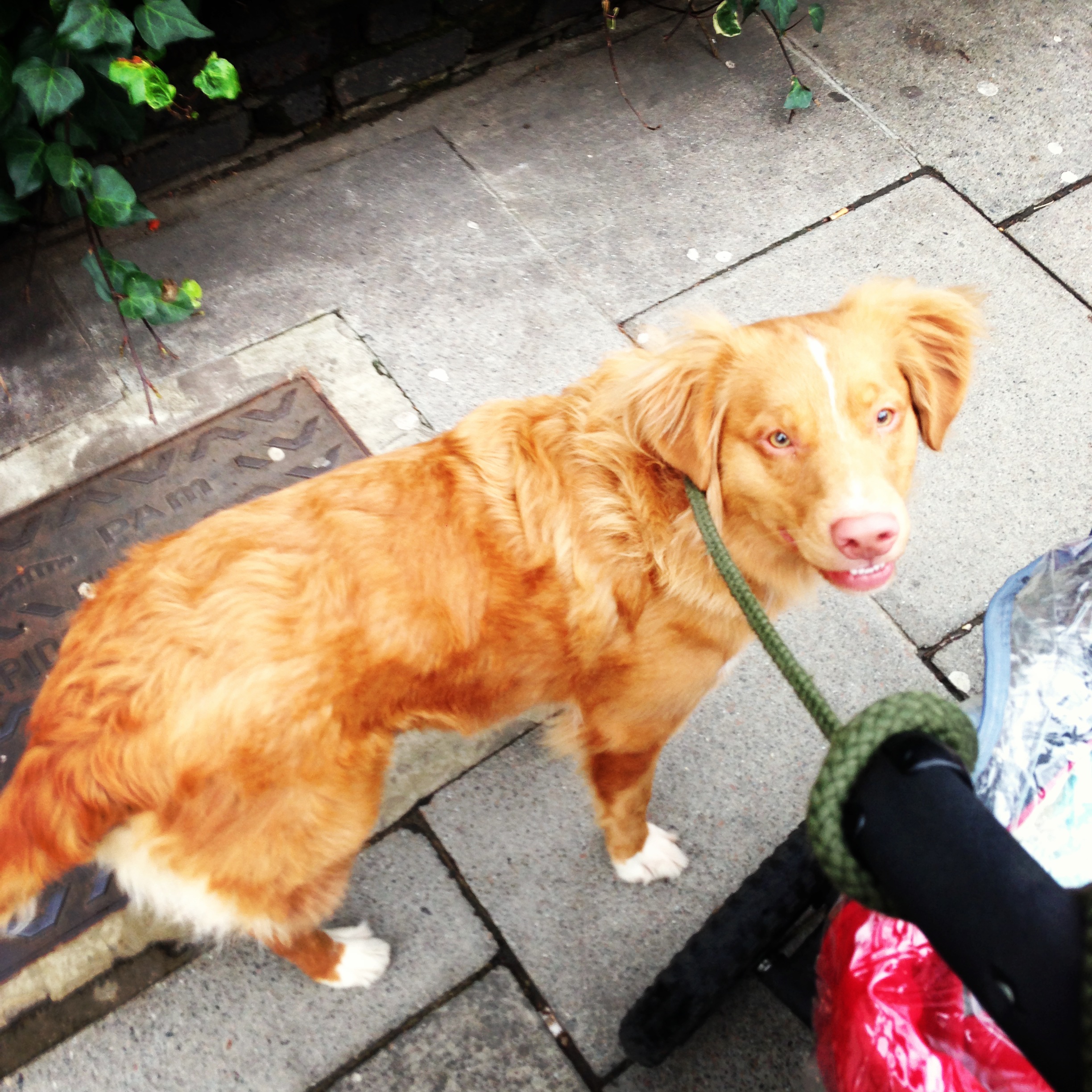
This morning, the dog ate a baby turd, and the children cried. It was just way too much for them to bear. And then Magic sauntered on over them, presumably for a loving lick, and they screamed and hid. I chuckled.
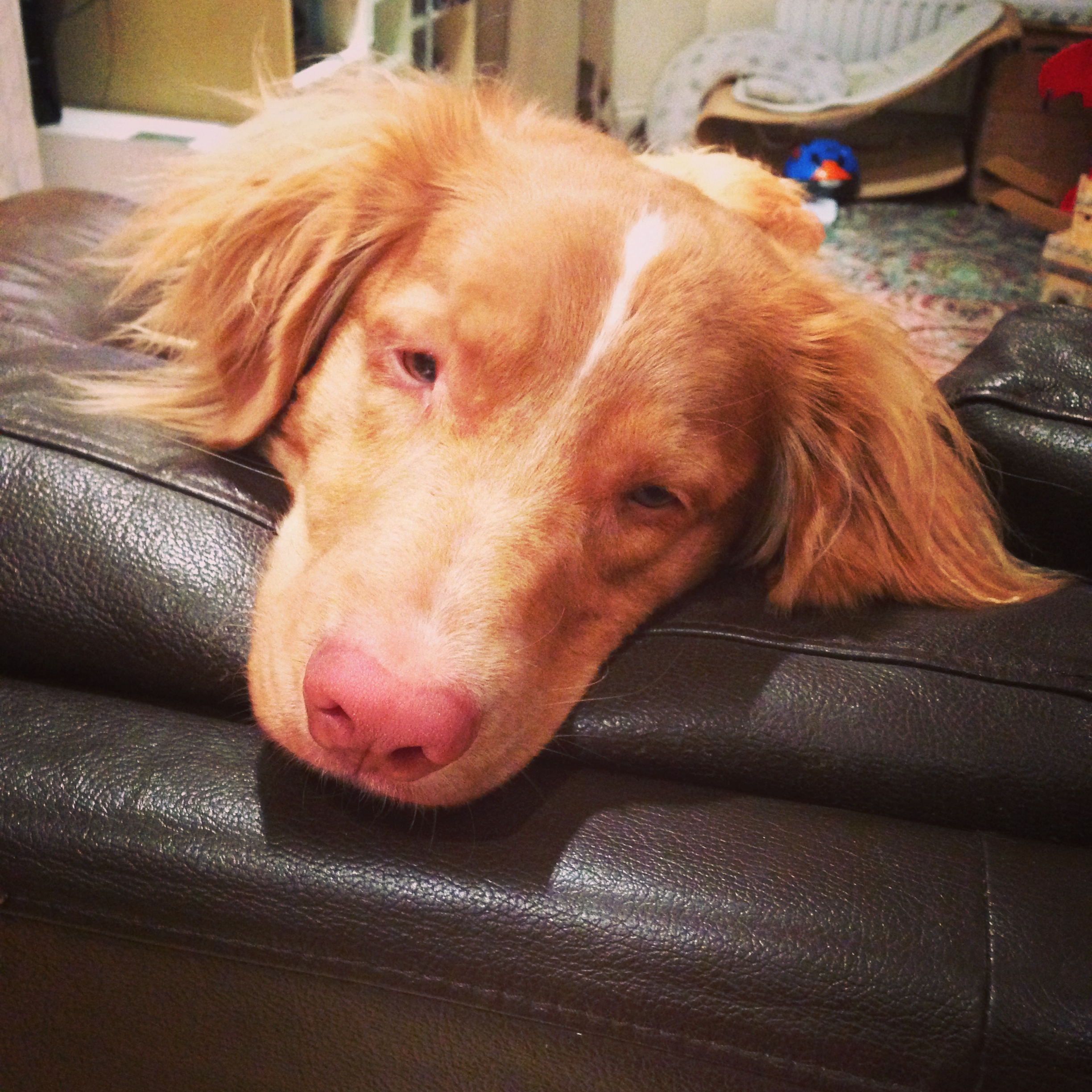
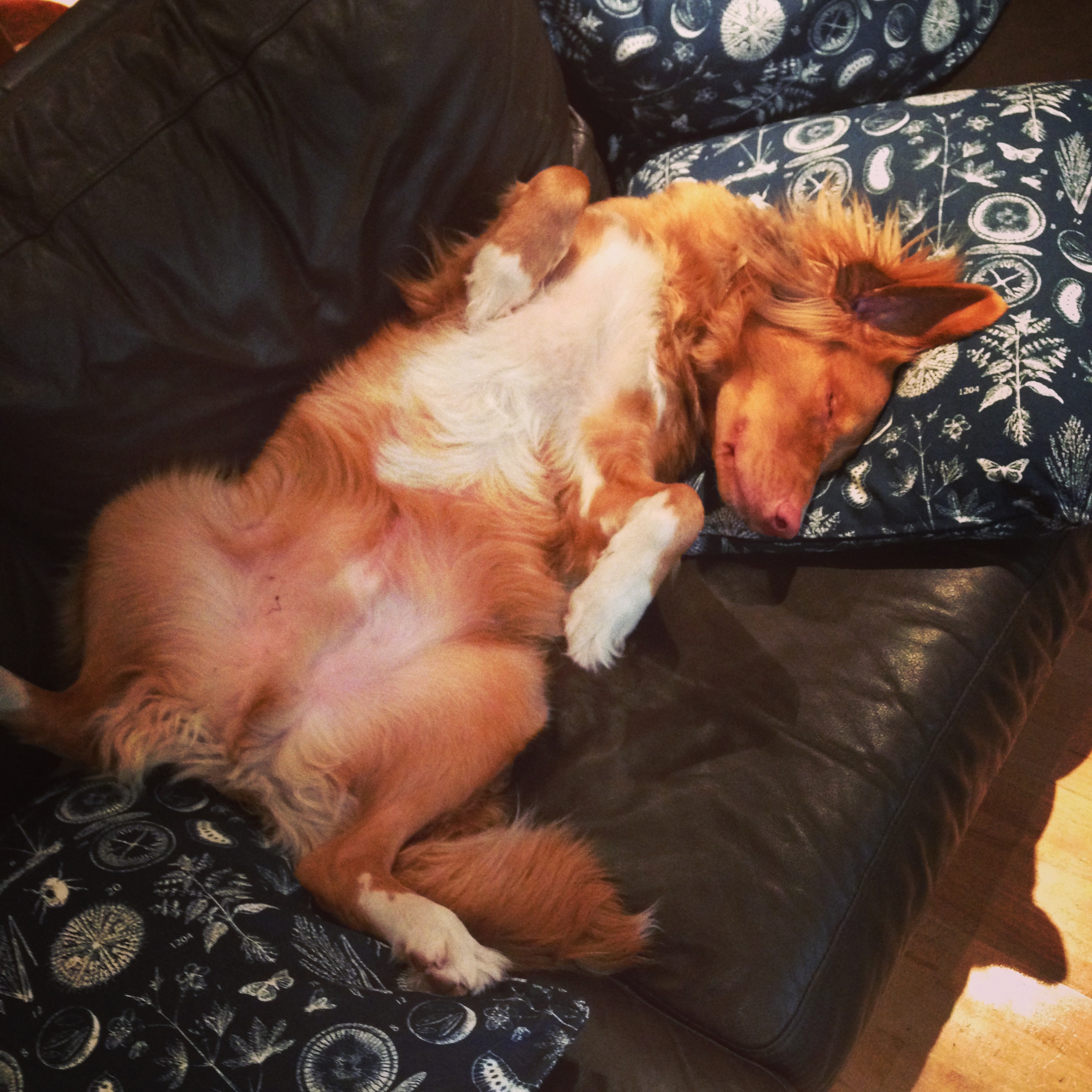
Here he is, the night before the poo-incident, looking reflective, and a tiny bit sad. I think he may have been wrestling with his dog-demons, and perhaps coming to terms with his inappropriate binge-eating and lack of self-control.
So that’s where we are on Tuesday morning. Barnaby has gone away to his first school camp, and I am quite relieved. I have no anxiety about it – I couldn’t summon any up if I tried. All I know is that everyone seems a little quieter, and I don’t have to make three lots of packed lunches. We had a calm dinner last night and the children all said they preferred it when Barnaby was away, and Mark and I had to hastily turn the conversation to less karmically-damning utterances. It was all too similar to the first bit in The Labyrinth when Sarah gets sick of the baby and asks the goblins to take him away. Be careful what you wish for, small Brothers-Of-Barnaby – we may well have a giant-crotcheted mullet-haired sexy David Bowie-owl-goblin-king come through the window talking in erotic euphemisms to your mother, if you aren’t careful.
Anyway, he will be back on Wednesday, and the pre-pubescent scowling and surreptitious bullying shall resume again, and all will be right again with the world. And, as I have been reliably told, he will come back a pseudo-man. Taller, tireder, with stories of abseiling and communal halls and bunk beds and probably some whinging about the food. But there will be a puff to his skinny chest and a manly glint in his eye, and it will all amount to another little shift away from being my baby and to becoming a bit more of whoever he is going to turn out to be. Which is all good, and right. Luckily I have four more boys to project my neediness onto. PHEW.
And look, you never know. There may well be more. Mark said that if I make £100k this year, I am welcome to have another baby. Which means I only have to make another £96,500. And, let’s not forget – there is always Kickstarter.
So, half-term. You know we went to Wales and stayed with some lovely friends and attended a christening for their baby daughter who may well marry Otis, if I can engineer it. We went to St Fagans National History Museum, which is a peculiar, fantastic place filled with re-erected historic Welsh buildings where you can wander into and around, with some fairground rides and an archery range and everywhere there were signs in Welsh – marvellous words which look made-up, consonant after consonant, ‘g’s and ‘w’s strewn hither and thither, like the aftermath of a drunken alphabet party with hardly any vowels invited.
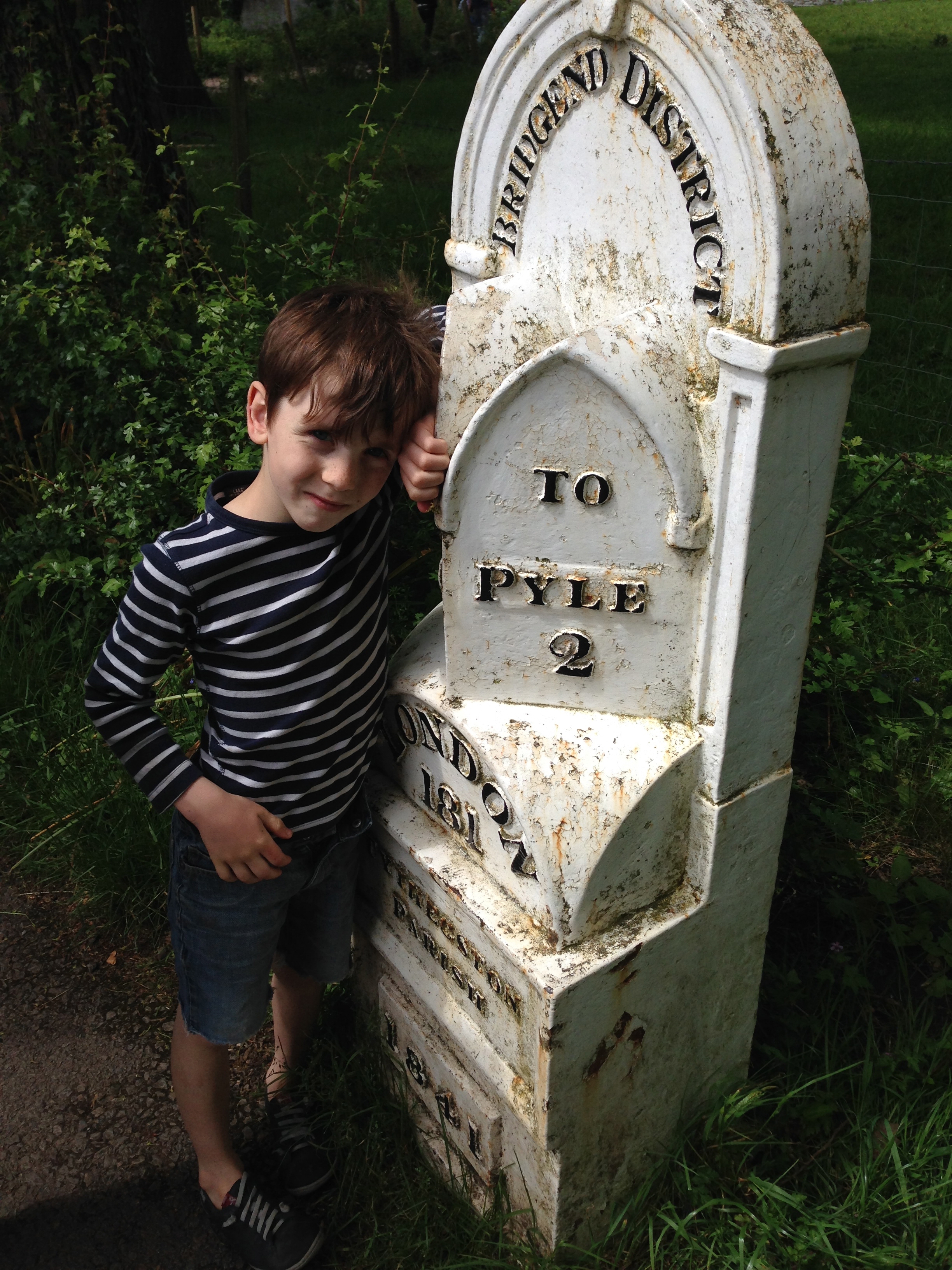
Here is Noah posing outside a re-erected post, emblazoned with my mother’s maiden name:
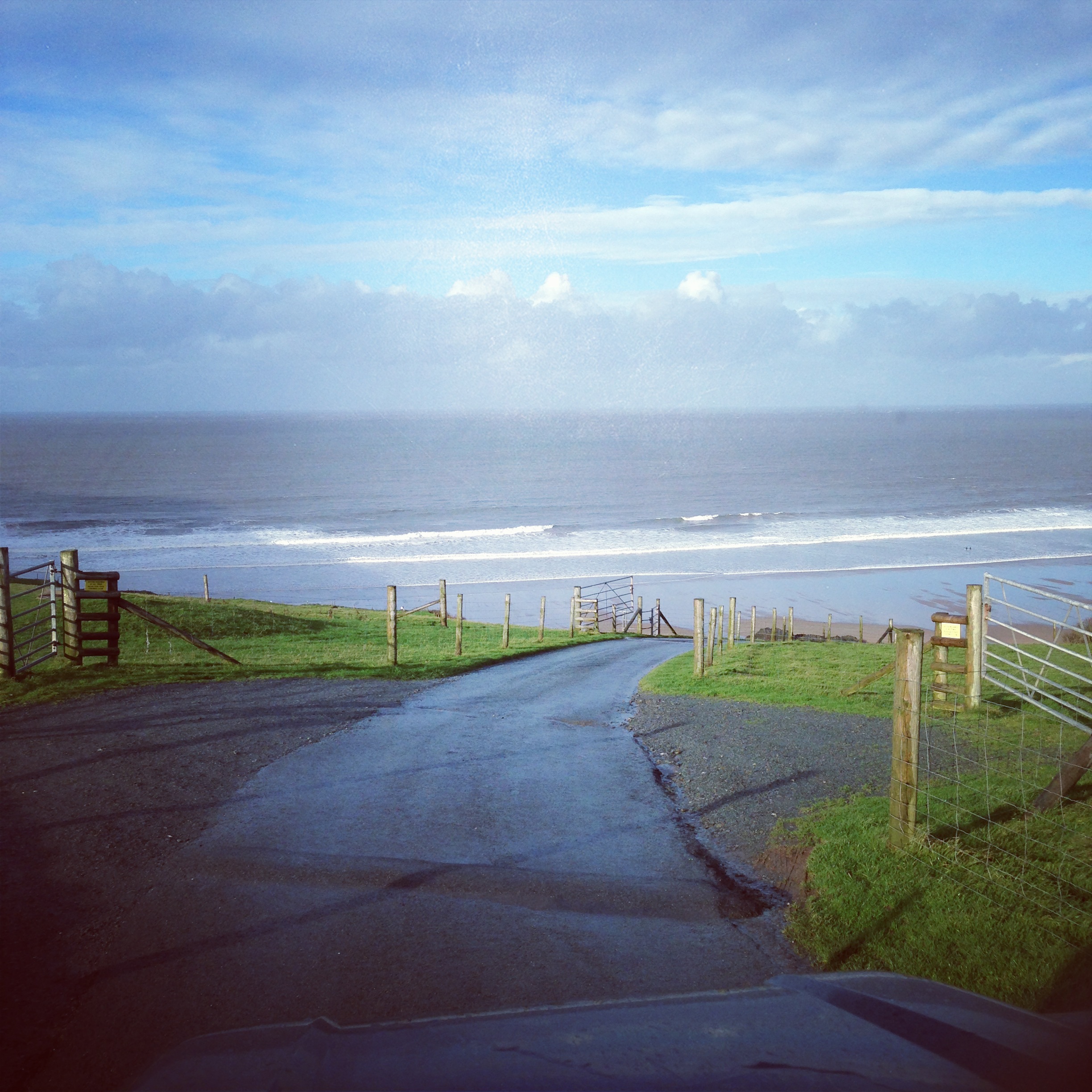
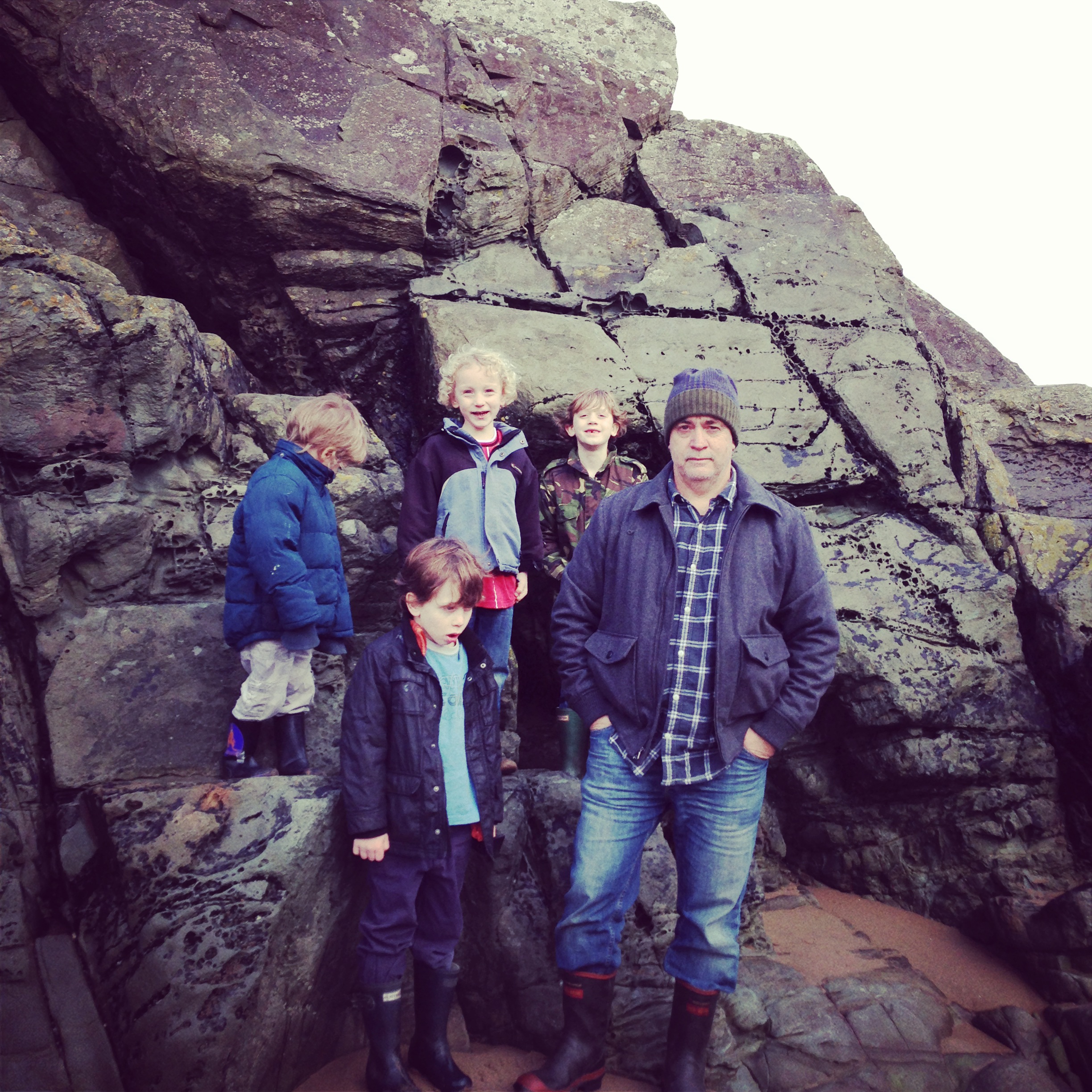
Then we went to the beach and threw stones and ate ice creams and fish and chips and there were hardly any dramatic, sweaty-moments – just a few children-going-crabbing-right-on-the-rocky-slippery-cliff-far-away kinds of things. We stayed in a hotel with huge beds and terrible, terrible bacon. The kind of bacon which isn’t really at all. It was pink protein. And the scrambled eggs! Oh, why are there powdered eggs in the world? Could we not join together and eradicate powdered eggs? Eggs aren’t hard to manage – they’re a meal in a shell, dammit. They’re already uncomplicated. And our children get the posh orange Clarence Court eggs, and so, when faced with pale yellow hard powdered eggs, with pink protein on the side, well, it all gets a little bit beneath them. Which could well be a parental failing, setting them up for breakfast disappointments to be had again and again, for as long as they live. I’ve done the same with bread. It’s all Poilane or Gail’s bread here. They’ve only ever known a firm crust and a long-proven dough.
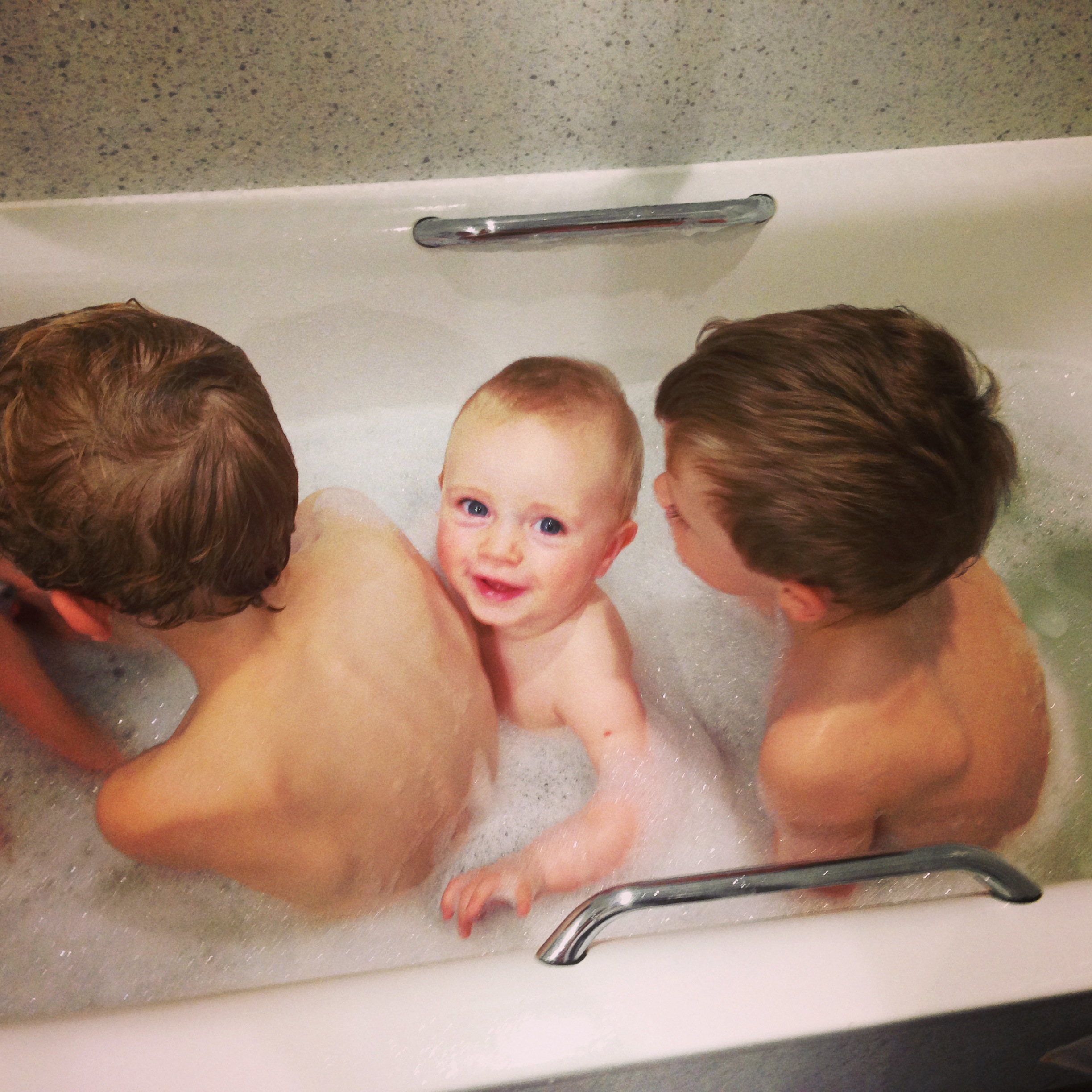
I have ruined them. Anyway, here’s the baby looking winsome in the hotel bath:
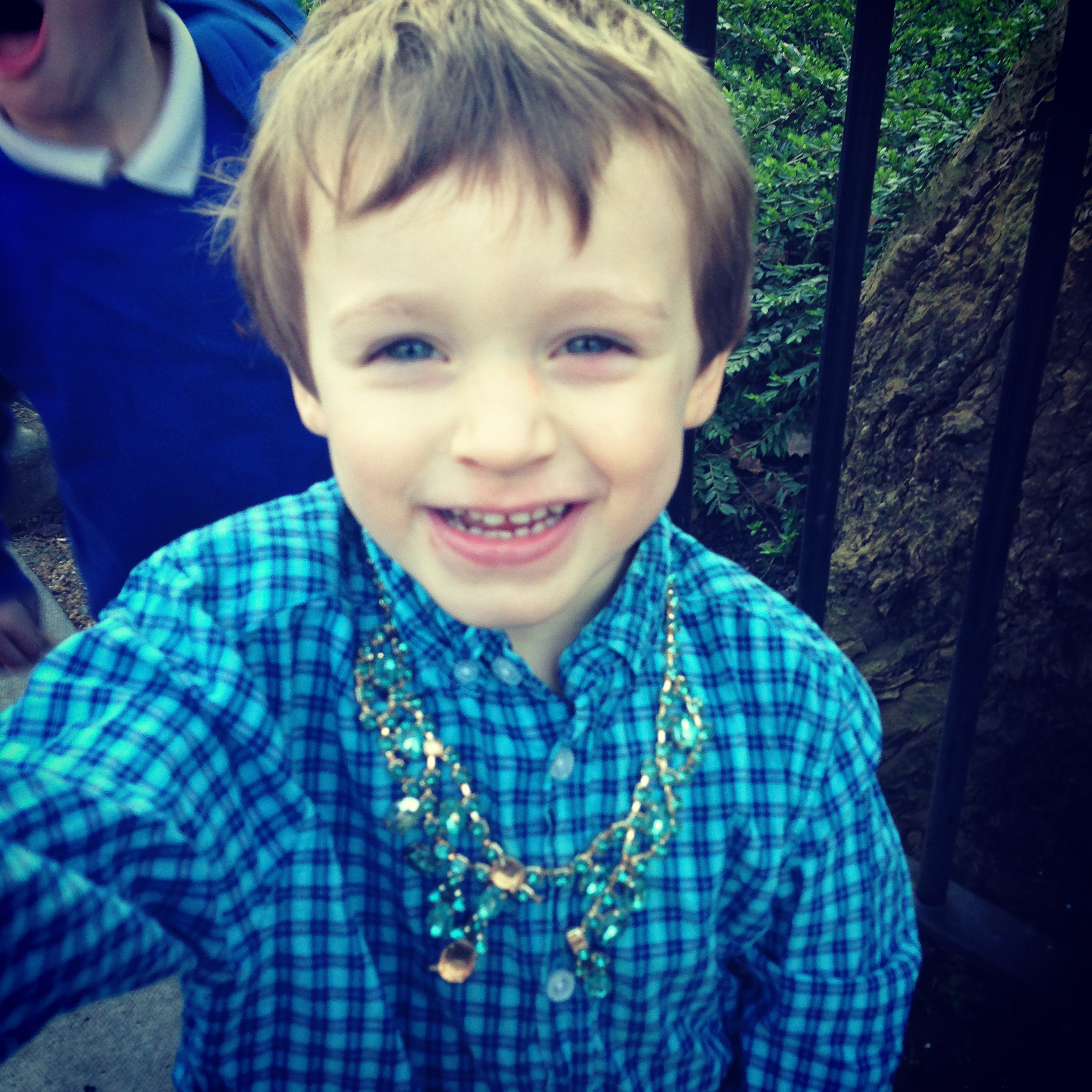
Then we came home. Here is Casper in Tom Ford’s Wild Ginger and some blusher:
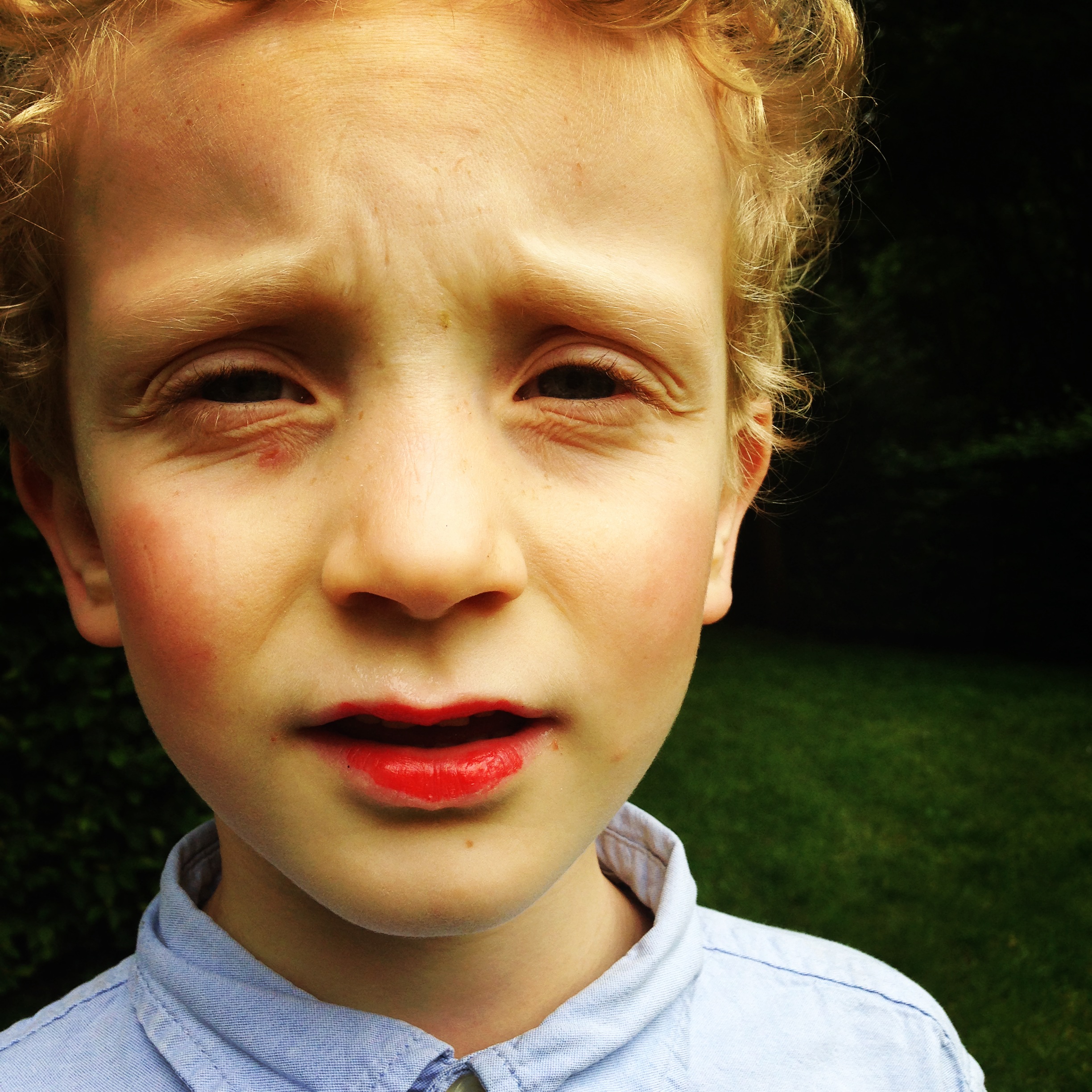
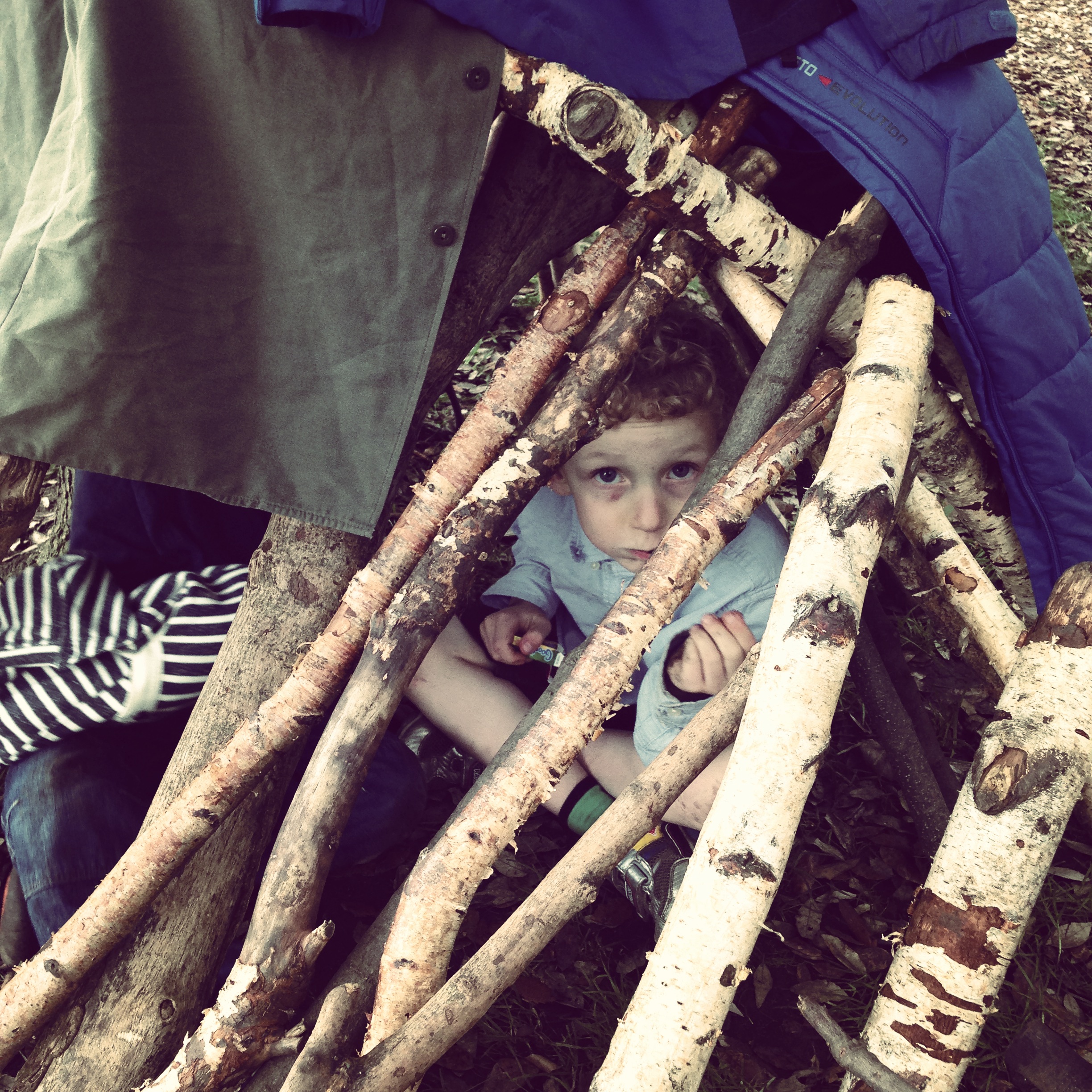
We were at Ham House building dens. Here is Casper in the den. You can barely see him without his face on:
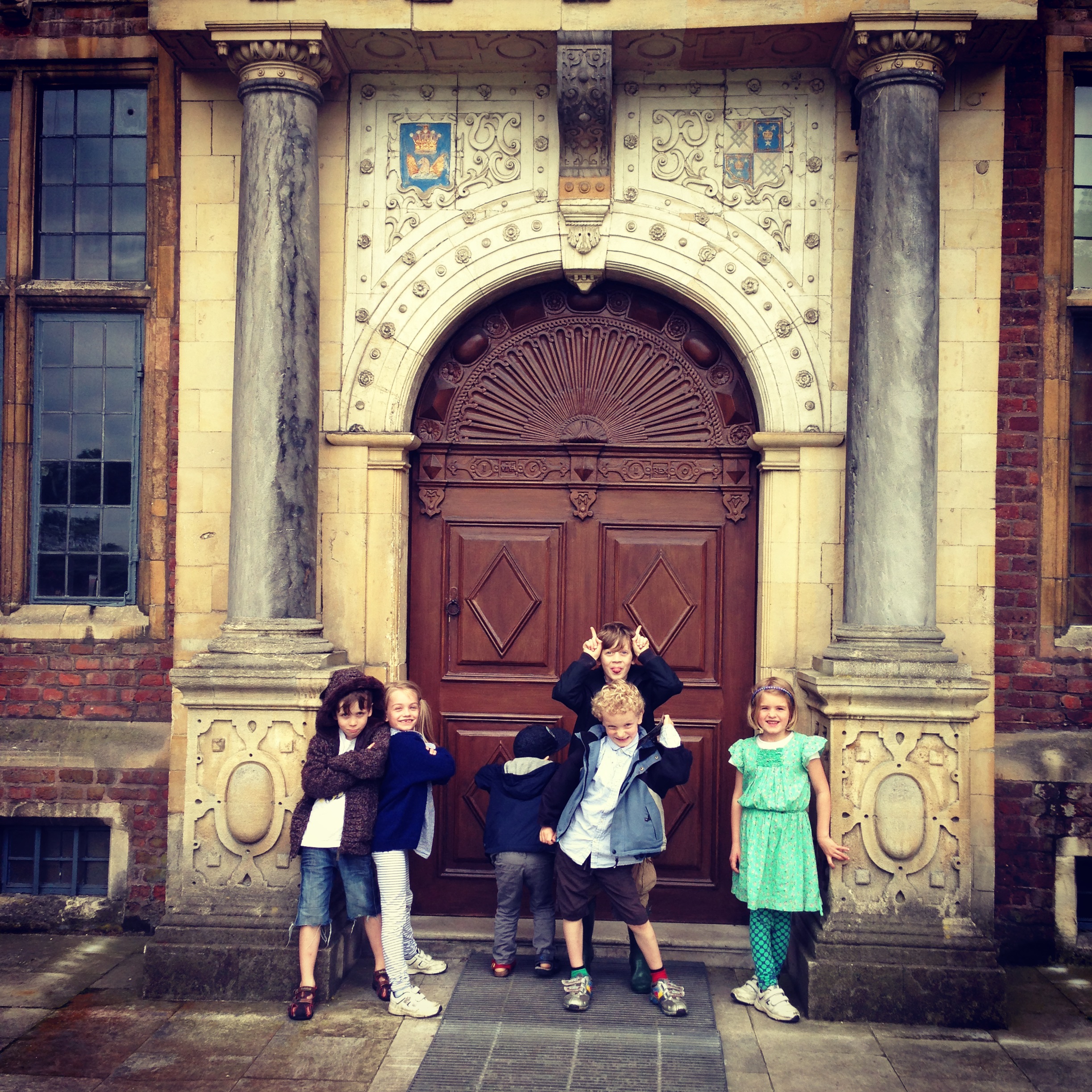
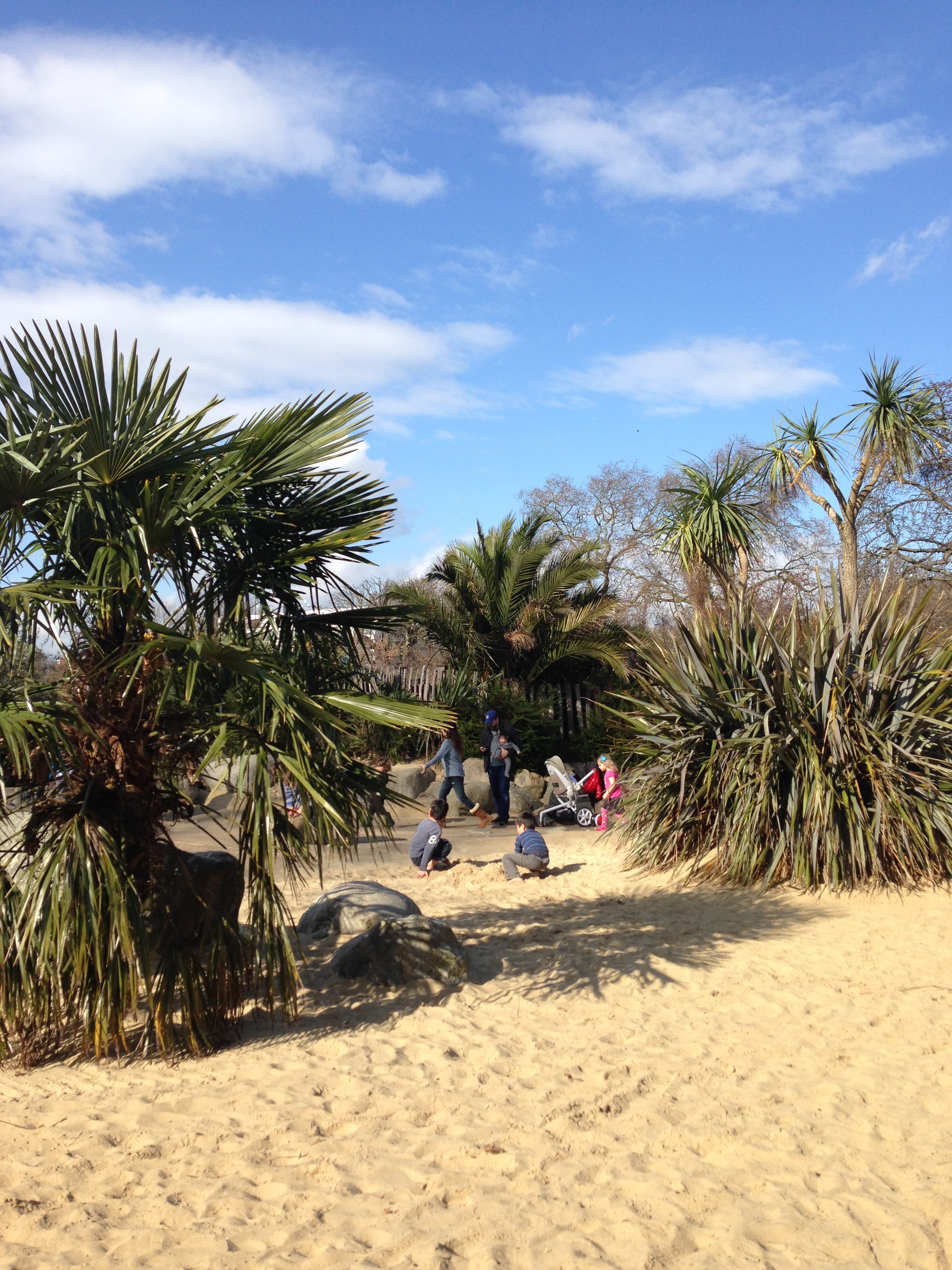
And all the children outside Ham House, where no other children were. That’s a funny little thing about London – there is so much stuff to do, and room for everyone. Ned is doing a Kardashian bum pose:
Theres always got to be one, right?









 The Harridan